
5 Tips To Help You Avoid Dehydration When Drinking Alcohol
Research published in Psychopharmacology found that alcohol suppresses the release of vasopressin, an antidiuretic hormone that regulates kidney function and urine production. While beer typically has a lower alcohol volume than other alcoholic beverages such as liquor, it still has enough to cause dehydration. The antioxidants present in wine, such as polyphenols and resveratrol, may have a positive impact on hydration by reducing inflammation and protecting against cell damage.
Drink Less and Thrive With Reframe!
- These might lead to dehydration more quickly, according to a 2010 study 8 9.
- People with kidney problems, diabetes, or those taking diuretic medications may be more prone to dehydration when consuming alcohol.
- To recover effectively, focus on replenishing both fluids and these lost minerals.
- The key takeaway is that while alcohol promotes urination initially, the body compensates over time by adjusting hormone levels and thirst mechanisms.
- Sure, waking up in the middle of the night to drink water is a pain, but this preemptive move gives your body the resources it needs to start the recovery process right away.
Beer’s lower alcohol content combined with its high water volume means it causes less dehydration compared to red wine or spirits. Spirits pack a bigger punch per ounce and thus more strongly suppress ADH, making them more dehydrating if consumed in similar quantities. Finally, paying attention to the strength and volume of the wine significantly impacts dehydration https://ungthuphoi.org/7-common-misconceptions-about-addiction-and-mental/ risk. Wines with a higher ABV have a more pronounced diuretic effect due to the greater concentration of alcohol.
- Wine can indeed contribute to dehydration, but the extent of its dehydrating effects is often exaggerated.
- These risks change depending on how much alcohol a person consumes and how often.
- Implementing these hydration tips can help wine drinkers enjoy their experience while ensuring they remain hydrated and healthy.
- This can disrupt the balance of electrolytes, like sodium and potassium, which are vital for nerve and muscle function.
Hydrate with Minerals and Electrolytes
You’re also easing the burden on the hormones that manage alcoholism symptoms your body’s water balance. This simple habit is a total game-changer for avoiding the worst parts of a hangover. Every alcoholic drink has dehydrating ethanol on one side and hydrating water on the other.
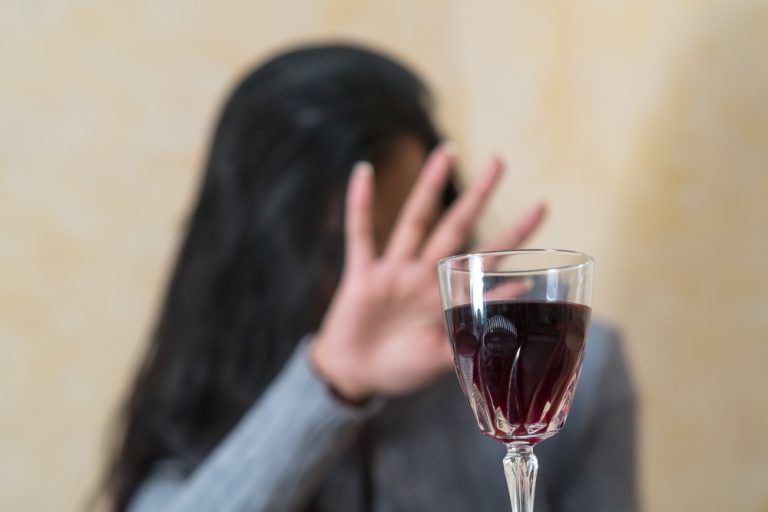
What is the Link Between Alcohol and Dehydration?
As the liver breaks down the alcohol, it is converted into a substance called acetaldehyde, which can be toxic in high doses. does wine dehydrate you Our liver quickly works to break down acetaldehyde into acetate. According to science, about 90% of alcohol is eliminated by our liver, but 2-5% of alcohol leaves our body through urine, sweat, or breath.
Red wine contains about 85% water, which can aid hydration to some extent. However, if consumed in excess, the diuretic effect of alcohol can start to outweigh water retention, leading to dehydration. Alcohol has diuretic properties, which means that even small amounts can lead to dehydration and electrolyte imbalances. Rehydrating with plenty of fluids and focusing on electrolytes helps support proper fluid balance and may reduce the unpleasant aftereffects of alcohol consumption. Wine contains ethanol, which suppresses the antidiuretic hormone (ADH).

Do Electrolyte Drinks Help More Than Water After Drinking?
Drinking on an empty stomach or consuming large amounts intensifies this effect. The alcohol content and tannins in red wine can make your mouth feel dry, prompting you to drink more water to stay hydrated. In terms of specific types of wine, sparkling wines, such as champagne and prosecco, may be more hydrating than still wines due to their higher water content. Additionally, wines with lower alcohol content, such as German Riesling or Italian Pinot Grigio, may be more hydrating than wines with higher alcohol content. To minimize the dehydrating effects of wine, it’s essential to drink water alongside your wine. Aim to drink at least one glass of water for every glass of wine you consume.
- While a cup of coffee might increase urine production slightly, alcohol’s suppression of vasopressin is far more potent.
- Alcohol delays stomach emptying, which can cause vomiting, a sure way to become dehydrated 1.
- To really get ahead of it, it helps to understand what causes hangovers in the first place.
Ways to Stay Hydrated While Drinking Alcohol
Drinking a glass of water before bed can significantly aid recovery and hydration levels for the next day. There’s less air pressure, so alcohol enters your bloodstream even more rapidly. If you’re drinking at altitude, you should probably start out with less alcohol than usual. Remember to listen to your body, prep with hydration minerals (aka electrolytes), and never drink on an empty stomach. A bottle of whiskey on the mountain after a full day of skiing and snowboarding sounds like a dream.
But by drinking alcohol, the amount of Vasopressin your body can produce actually reduces, making it harder to retain fluids. While all alcoholic beverages can contribute to dehydration, the effect can vary. Also, the presence of congeners (byproducts of fermentation) in some alcoholic beverages can exacerbate the effects of hangovers, which often include symptoms of dehydration.